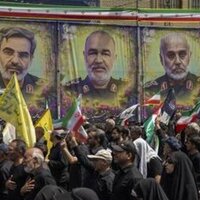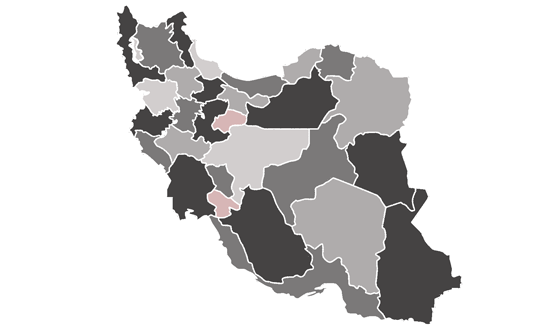


Following weeks of digital darkness due to an Internet blackout by authorities trying to quell antiestablishment unrest -- in which thousands are thought to have been killed in a brutal crackdown by security forces -- Iranians are slowly managing to get online using anti-filtering tools.
The monitoring group NetBlocks said on January 28 that most regular Internet users still face heavy filtering and only intermittent service under a whitelist system despite a significant increase in internationally visible networks and datacenters.
Golnaz Esfandiari from RFE/RL's Radio Farda spoke about the Internet shutdown in Iran, as well as whether Iranian officials should be allowed on Western social media platforms, with Mahsa Alimardani, associate director for the Technology Threats and Opportunities program at WITNESS.
Alimardani has been following the Internet situation in Iran for many years and recently spoke at a panel at the World Economic Forum in Davos, Switzerland, about the Internet restrictions in Iran.
Radio Farda: Is there any precedent for a country depriving its citizens, 90 million people, from access to the Internet for nearly three weeks?
Mahsa Alimardani: Unfortunately, there is precedent globally for longer Internet shutdowns. We've seen them happen in places like Kashmir by the Indian government. However, the precedent that they have set is in terms of breaking their own record for the longest Internet shutdown. So they broke their own record.
Radio Farda: Yes. And as you noted, this is not the first time that Iran has imposed an Internet shutdown and disrupted the free flow of information during a crackdown, a bloody crackdown on protests. What can be done to help Iranians access the Internet and prevent another shutdown in the future?
SEE ALSO:
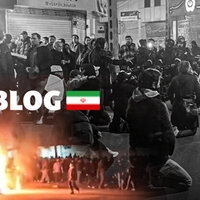
Live Blog: EU Foreign Ministers To Discuss Iran
Alimardani: To be honest, as someone who has been studying information controls and access to the Internet for well over a decade now, this has been a really big question in terms of [how] accessing traditional Internet has always been governed by this notion of digital sovereignty.... Whether it be in an authoritarian country like Iran or in a democratic country, it's usually through some sort of national infrastructure and there are concepts of digital sovereignty and how this infrastructure is maintained within these sovereign borders. And, of course, we know in contexts such as Iran, in contexts where authoritarian regimes enact Internet shutdowns or weaponize access to the Internet to commit crimes or to create these sorts of crises, this traditional means of looking at the Internet is very harmful and really needs to be revolutionized and rethought.
Many internet researchers -- I mean, I can reference one academic who is a professor in Europe, Ozad De Akbay. She wrote a really great article about how we need to really break this notion of digital sovereignty with this really atrocious example of what a government has done under a blanket, like an unprecedented scale of massacres using the blanket of the shutdowns as one of the tools to enable this. And, I mean, I think what has happened in Iran is this is a really horrific event that will change Iranians and the course of Iran forever.
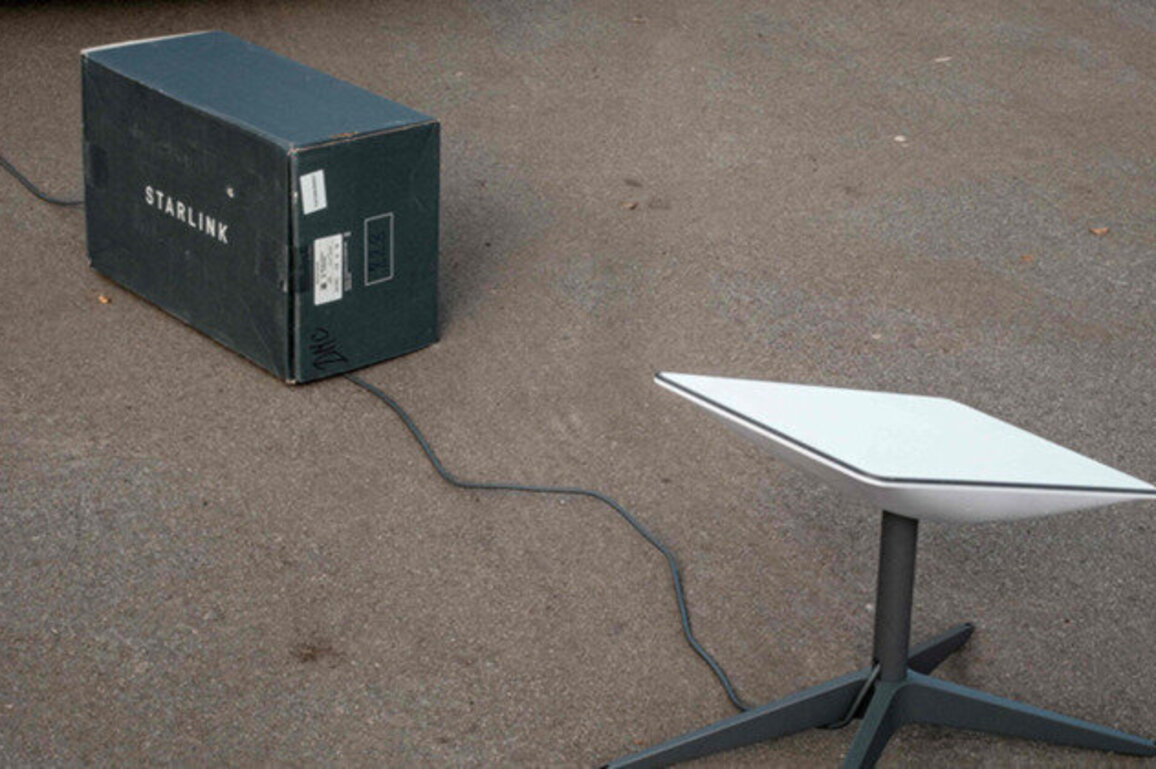
I can't obviously talk about what the future will hold for Iran in the coming weeks, months or years. But what I can say is that this event has really changed things and there should be a fundamental shift in how people are thinking about these things. And so one of the things that has become very apparent is the potential for satellite Internet to really help reorient and reimagine what a regime like the Islamic republic can do. And so we've seen this small window during the shutdowns. The small window that had allowed for the little information and documentation to come out during the shutdown has been through the Starlink satellite terminals that have been smuggled into Iran, a great risk to everyone involved in the smuggling process, sold at great prices. The market value right now seems to be $2,000 for a Starlink terminal, which, of course, is not a very realistic price point for a country going through so much poverty and an economic crisis.