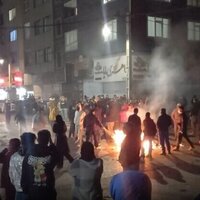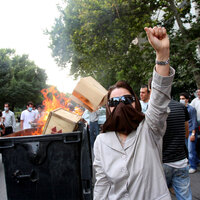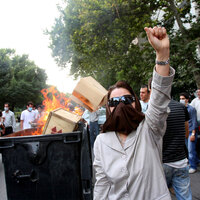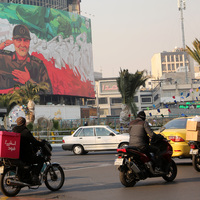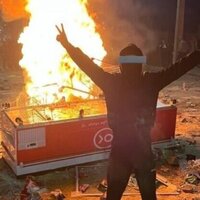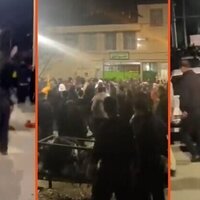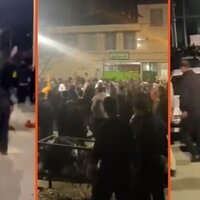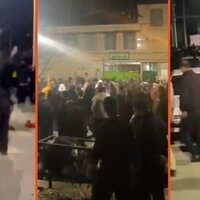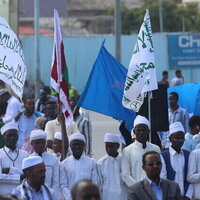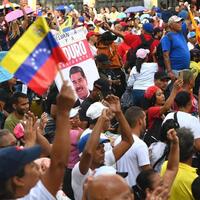


Protests against Irans clerical establishment are spreading, drawing in new cities and towns, social groups, and symbols in what activists describe as a new phase of confrontation with the authorities.
What began as scattered demonstrations over soaring inflation and the collapse of the national currency on December 28 is now visible on the streets and in shuttered bazaars across the country of some 92 million people, in scenes that evoke memories of the Islamic Revolution in 1979.
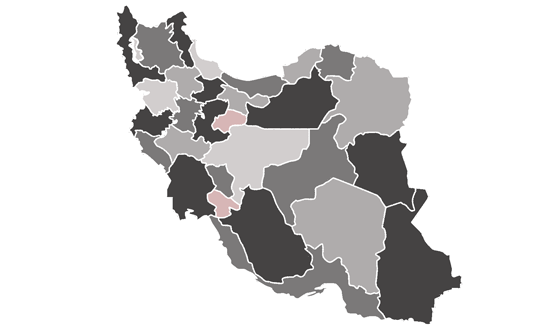
Over the past 48 hours, protests have spread to more parts of the capital, Tehran, and the northeastern city of Mashhad, the countrys second-largest, as well as to a growing list of provincial centers and small cities, including Abadan in the southwest and Borujen in central Iran.
SEE ALSO:
Live Blog: Death Toll Rises, Internet Restricted In Iran On 12th Day Of Protests
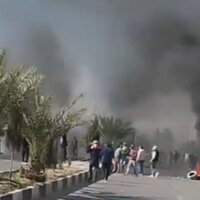
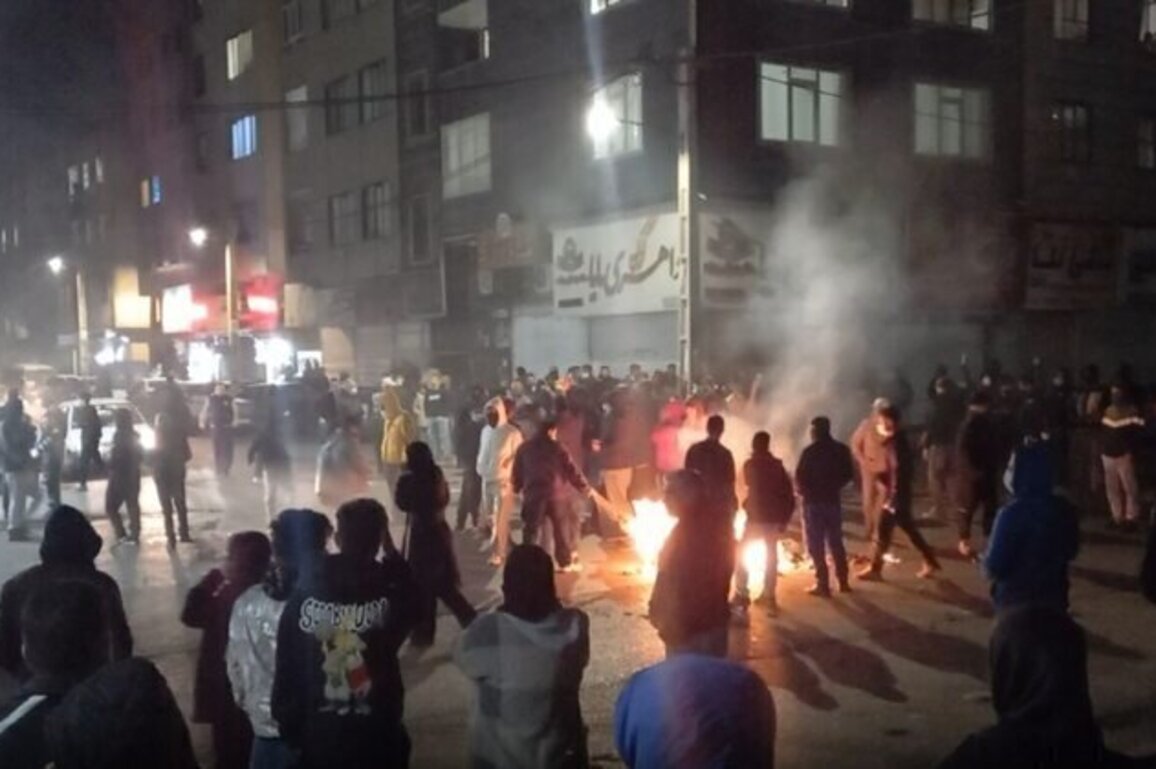
One of the largest protests occurred in the western town of Abdanan, where the main street was packed with demonstrators on January 7. Towns in western Iran, home to ethnic minorities, have been the scene of some of the biggest protests and hardest government crackdowns.
Alongside the street protests, merchants in a growing number of bazaars -- key commercial hubs in Iran -- have closed their shops and gone on strike in solidarity with the protesters. Many Iranians have explicitly compared the scenes to the decisive market walkouts that helped bring about the downfall of the shah of Iran in 1979.
Economic Free Fall Fuels Anger
The trigger for the protests was Irans worsening economic crisis. The sharp fall in the value of the rial, the national currency, has translated into what people describe as hourly price hikes for staples like eggs and cooking oil, reinforcing a perception that the country is on the brink of collapse.
As unrest has widened, there have been more frequent and increasingly violent confrontations in towns where security forces have used batons, tear gas, and live ammunition.
Speaking to RFE/RLs Radio Farda on January 8, a protester in the western town of Qorveh said the streets in the town of some 87,000 people are filled with security forces.
The protester, speaking on condition of anonymity for fear of retribution, said security forces have been unable to stop the protests because of the sheer number of people participating.