

Rainfall caused minor flooding in parts of Iran after authorities seeded clouds to ease a mounting water crisis, but the country still faces severe shortages that have prompted warnings the capital may eventually need to be evacuated.
Following six years of drought, drinking water has been scarce across Iran, especially in Tehran, reports Al Jazeera. The past water year, which ended in September, was one of Iran's driest on record, and the coming one could be even worse, with November's precipitation levels 81% lower than average. Nineteen dams are filled to less than 5% capacity, "on the verge of drying out."
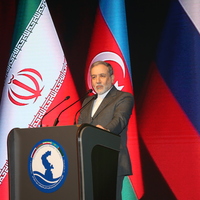
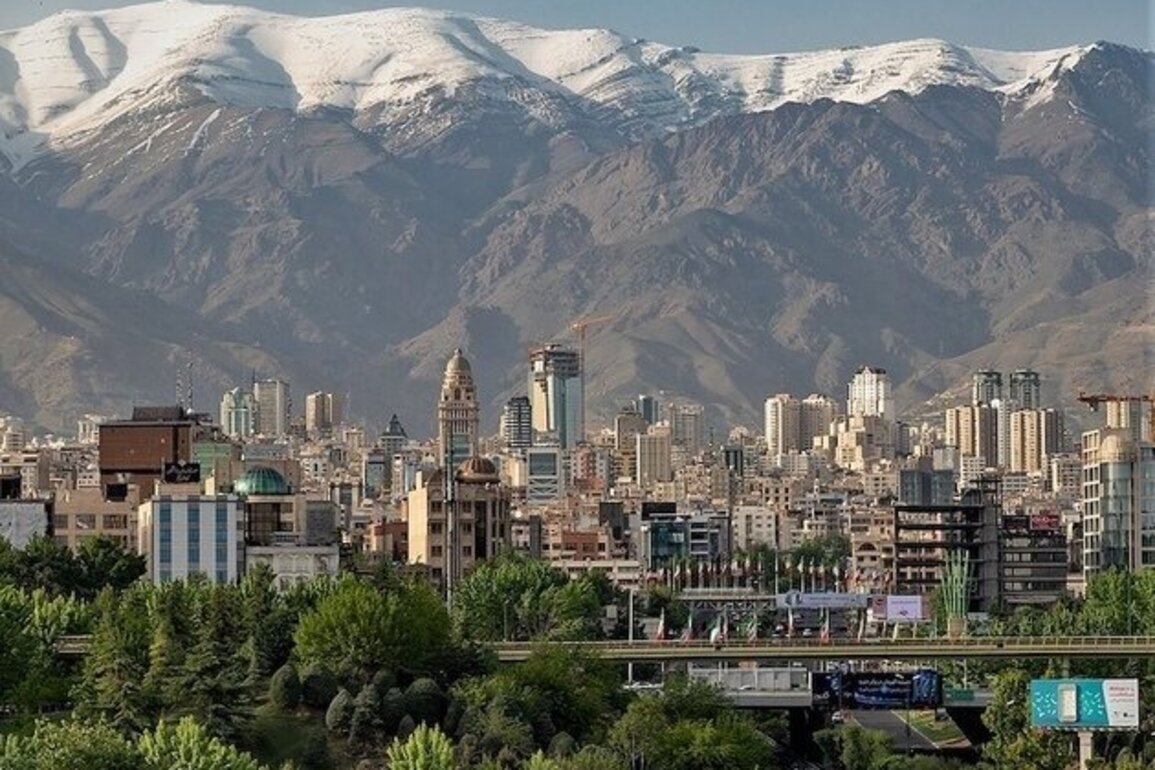
In October, President Masoud Pezeshkian announced that without rain by December, water would have to be rationed in Tehran, where water pressure is already restricted after midnight-though officials recently said they would not resort to cutoffs. Pezeshkian, who the Guardian describes as "a leader who has a habit of delivering alarming home truths to his fellow Iranians," warned that conditions may worsen to a point where the city's 10 million inhabitants would need to evacuate, with the capital moved south. The Iranian government maintains that such actions are not feasible.
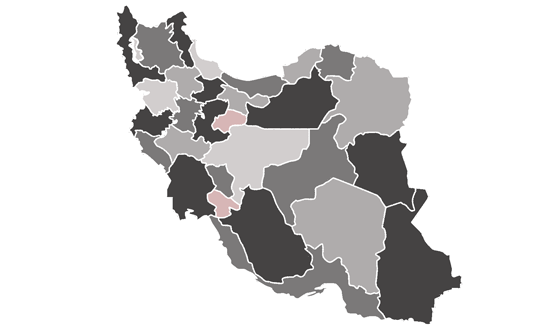
"The reduction in water behind the dams, the drying up of some wells, and the high costs of transporting water from other areas all indicate the need for a change in approach," said Pezeshkian. With water supplies running low, the government initiated cloud-seeding over the Urmia Lake basin in northwest Iran, which led to flooding on Sunday in a town near Abdanan. Experts say the extended drought dried out soils and limited their ability to absorb water, which likely contributed to creating conditions for flooding.
No casualties were reported, but further flood warnings were issued in six western provinces on Monday. The Iran Meteorological Organization (IRIMO) said it expected rain in 18 out of Iran's 31 provinces, though the precipitation is not expected to have a significant impact on water shortages.
"In addition to cloud seeding's heavy cost, the amount of rainfall it produces is nowhere near what is needed to solve our water crisis," IRIMO President Sahar Tajbakhsh told state TV on Sunday.
Much of the water scarcity results from overconsumption, illegal well drilling, and inefficient agricultural practices, but climate change has intensified drought conditions and frequency. One 2023 study found that extreme droughts are affecting Iran far more regularly than they would have without the influence of climate change. In a world warmed 1.2C, such droughts can be expected every 10 years, the researchers found.
Iran's foreign policies and international isolation have limited its access to technologies that could improve water use efficiency, like advanced irrigation and smart monitoring devices, writes The Conversation. With access to new technologies, the country could halt groundwater depletion in the short term, and improve monitoring and governance in the mid- to long term.
Source: The Energy Mix