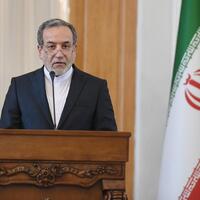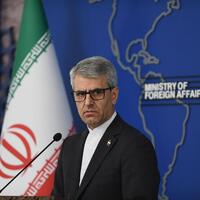


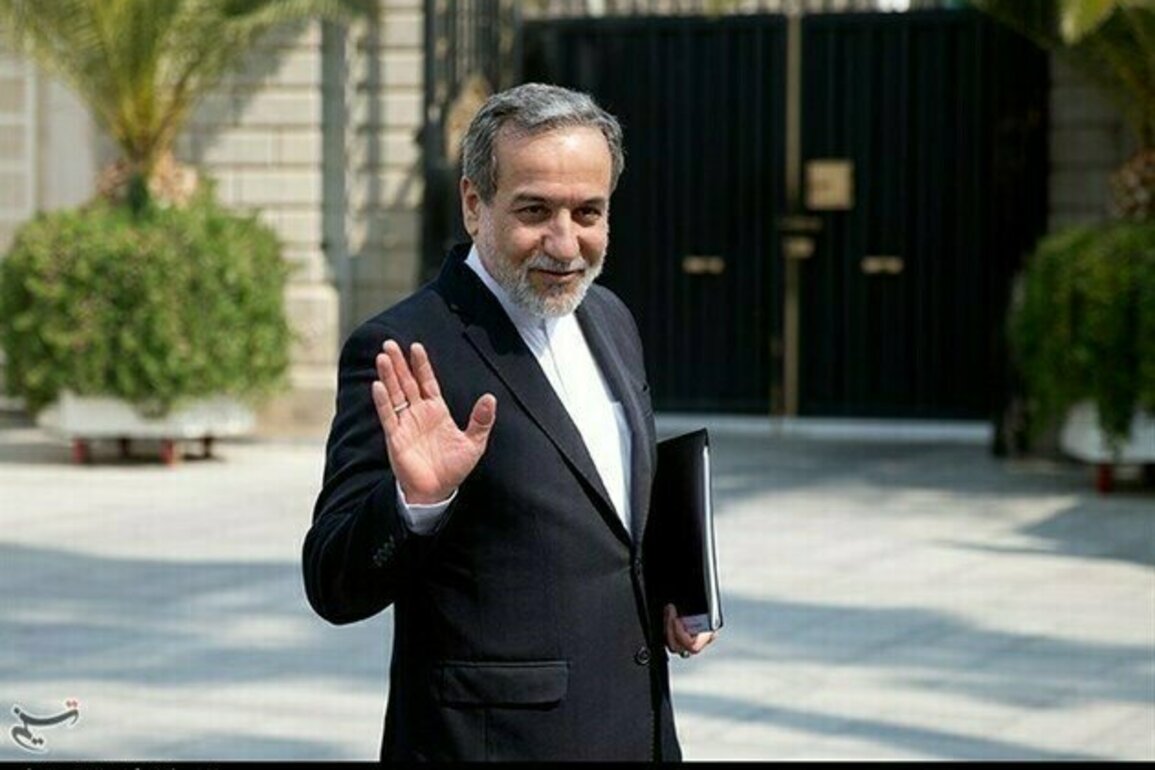
TEHRAN (Tasnim) Iranian Foreign Minister Abbas Araqchi said the political consequences of the so-called snapback mechanism of the JCPOA should not be underestimated, but noted that its economic impacts are being exaggerated.
- Politics news -Speaking to IRIB on Sunday on the sidelines of a meeting ofcabinet members withLeader of the Islamic Revolution Ayatollah Seyed Ali Khamenei in Tehran, Araqchi highlighted the decisive role of foreign policy in shaping the future of nations.
He stated that Irans foreign policy faces unique challenges due to the Islamic Republics independent and justice-seeking stance in the face of hostility.
We strive to defend the rights and interests of the Iranian people through international and regional forums and by strengthening ties with our neighbors, Araqchi said, adding that Irans relations with the neighboring states are currently at their best.
He noted that while the Foreign Ministry continues to pursue the removal of sanctions, it is also working to consolidate regional diplomacy.
Commenting on the snapback mechanism, Araqchi stated, It is certainly not a good thing, and no one should underestimate its primarily political consequences. However, in the economic sphere, its fallout is being portrayed as larger than it really is.
The foreign minister called on the media not to instill fear among the public over the economic effects of the snapback mechanism, urging them to avoid amplifying its impacts beyond reality.
Araqchi reaffirmed Irans openness to diplomacy, saying, We are prepared to negotiate with the Europeans and the US based on mutual respect and interests.
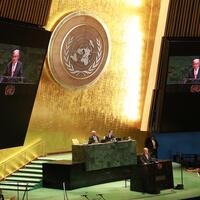
In a sharp escalation, the European troika of the UK, France, and Germany (EU3) has submitted a formal letter to the UN Security Council to trigger the so-called snapback mechanism, aiming to reinstate international sanctions on Iran. This represents the most serious action taken by the three European states against Tehran since the US withdrew from the Joint Comprehensive Plan of Action in 2018.
Iran has strongly rejected the move as unlawful and politically driven, arguing that the Europeans lack any grounds to invoke snapback after failing to meet their own obligations under the nuclear deal.
Officials in Tehran have warned that such a measure would prompt a firm reciprocal reaction, disrupt cooperation with the IAEA, and deal a heavy blow to the credibility of the Security Council.