

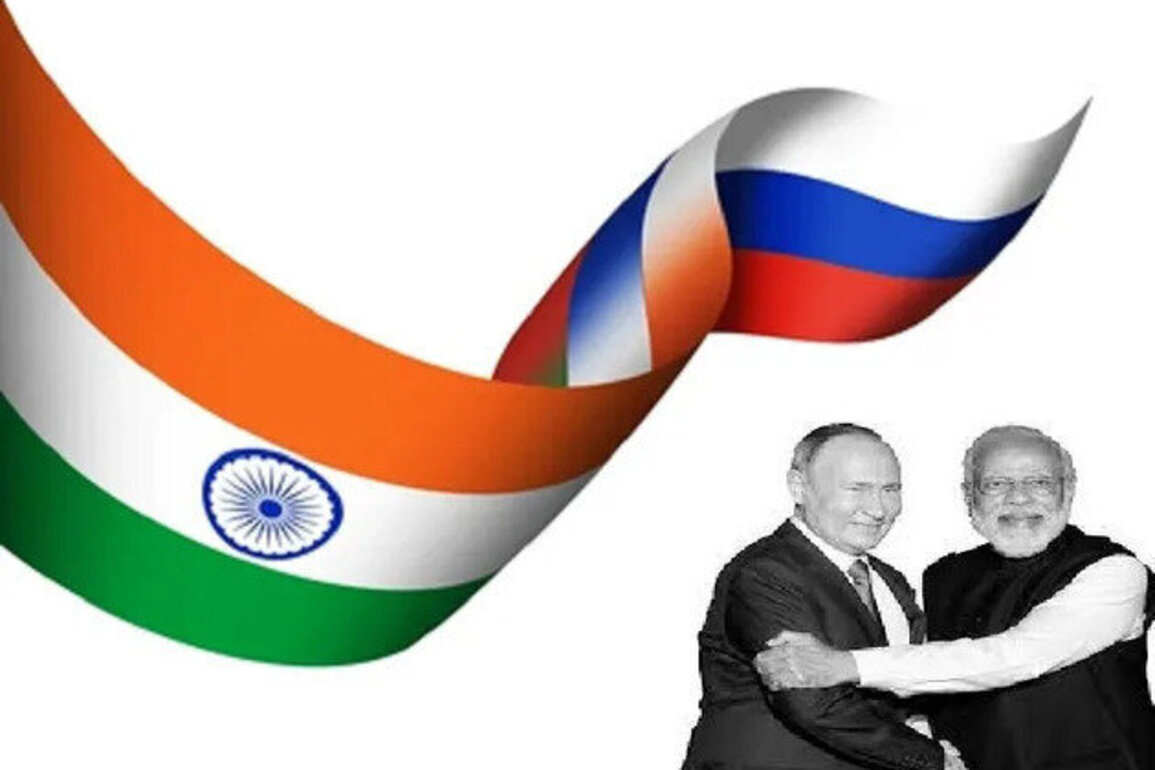
Itll strengthen their complementary balancing acts for averting disproportionate dependence on the American and Chinese superpowers amidst the global systemic transition to complex multipolarity.
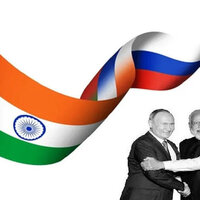
Putin is on hisfirst state visitto India in four years after having last visited what Russia considers to be its special and privileged strategic partner in December 2021. It was assessedhereat the time that they sought to lead a new Non-Aligned Movement (Neo-NAM), the essence of which India pioneered via itsVoice of the Global Southplatform in early 2023. The purpose is to counteractSino-US bi-multipolarity trendsby midwifingtri-multipolarityas the stepping stone tocomplex multipolarity(multiplexity).
In simple English, this means Russia and India jointly helping relatively smaller-sized countries balance between the American and Chinese superpowers, but Russia wassoon thereafter compelledto initiate itsspecialoperationthat resulted in a proxy war with NATO. Throughout the course of theUkrainian Conflict, Russia moved so close to China that those two can now be described as having unofficially formed an Entente, but IndiahelpedRussia preemptively avert disproportionate dependence on it.
This was achieved through its large-scale purchase of discounted Russian oil and reprioritization of theNorth-South Transport Corridorthrough Iran for scaling their real-sector trade. Despitemixedreportsabout whether its complying withrecent US sanctionsto curtail the aforesaid purchases, India remains committed to averting Russias disproportionate dependence on China out of fear that this could lead to China coercing Russia to curtail arms exports to India for resolving their border dispute in Chinas favor.
The US unexpected pressure upon India under Trump 2.0 isintended as punishmentfor not subordinating itself as the US largest-ever vassal, but it had the unintended effect of reminding Indian policymakers of how Russia never pressured their country, thus adding renewed impetus to expanding their ties. Its within this context that Putin is visiting India, which also comes amidst the renascentRussian-USNew Dtenteset into motion byTrumps 28-point Ukrainian peace deal framework.
US pressure upon India might soon abate if policymakers come to appreciate its pivotal role in Russias balancing act vis--vis China. This arrangement serves their countrys interests by averting the scenario of Russia becoming Chinas raw materials appendage for turbocharging its superpower trajectory and consequently becoming a more serious rival in shaping the emerging world order. Passively facilitating Russia and Indias shared tri-multipolarity vision might accordingly be seen by the US as advantageous.
Putins trip to India therefore comes at a mutually opportune time since itll strengthen their complementary balancing acts for respectively averting disproportionate dependence on the Chinese and American superpowers. This will help each reach better deals with them by improving their negotiating position while advancing the global systemic transition to multiplexity, which contextualizes whatValdais Fyodor Lukyanov meant indescribingtheir ties as a template for a post-Western world.
Andrew Korybko