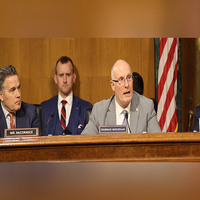


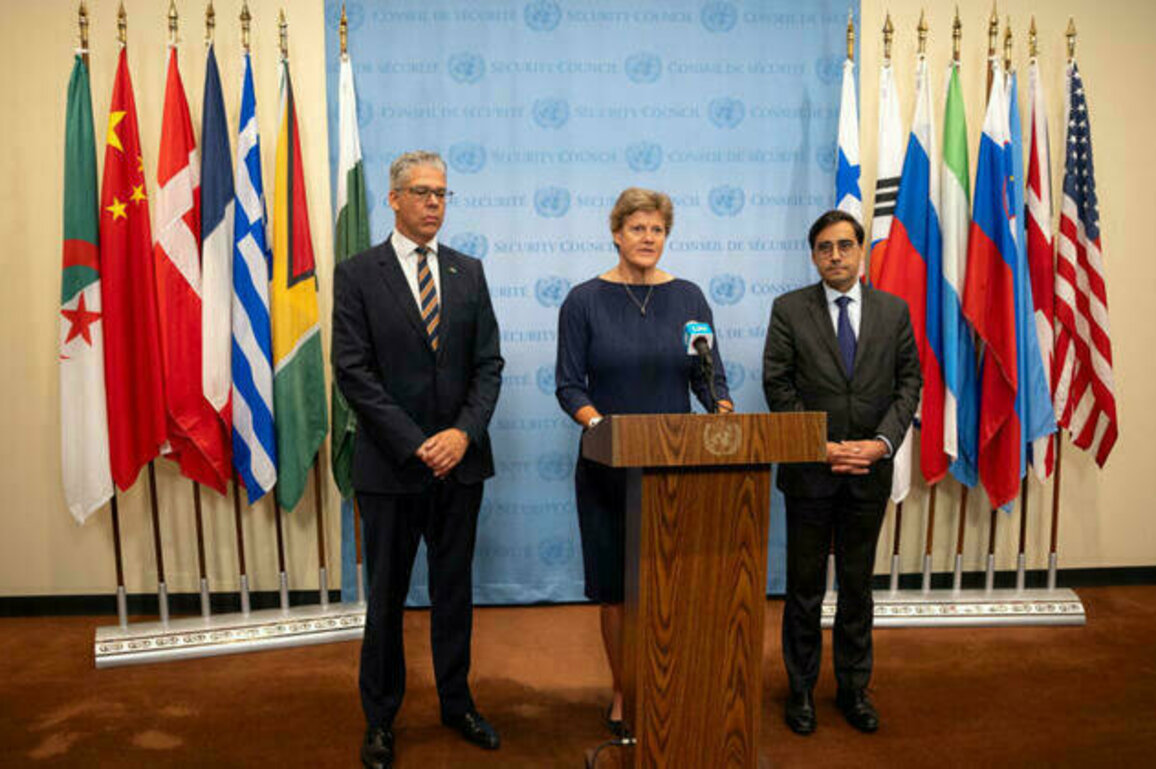
Britain, France, and Germany said their offer to extend the Iran nuclear deal and delay sanctions for 30 days remains on the table, said UK Ambassador Barbara Woodward at the UN Friday. The three nations triggered on Thursday the snapback mechanism to restore UN sanctions on Tehran for violating its 2015 nuclear commitments.
Britain,FranceandGermany's offer to extend theIrannuclear deal and avoid the reimposition ofsanctionsin 30 days "remains on the table," British Ambassador Barbara Woodward said at the United Nations Friday.
The three European nations, known as the E3, triggered theso-called "snapback" mechanismthe previous day to reinstateUNsanctions on Tehran for failing to comply with commitments made in a 2015 deal over its nuclear program.
The deal was badly weakened when US PresidentDonald Trumpleft the accord during his first mandate, and as subsequent accusations of Iranian non-compliance have multiplied.
In July, "we offered Iran an extension to snapback, should Iran take specific steps to address our most immediate concerns", Woodward said alongside her German and French counterparts ahead of a closed-door Security Council meeting on the issue.
But Tehran rejected this offer, arguing that the Europeans did not have the right to reimpose the UN sanctions that were lifted a decade ago.
"As of today, Iran has shown no indication that it is serious about meeting" the E3's requests, the ambassador said.
"It is not implementing its obligations to cooperate with the International Atomic Energy Agency. It has not reengaged in negotiations with the United States," she said.
But triggering the snapback mechanism "does not mark the end ofdiplomacy. Our extension offer remains on the table", Woodward said.
"We urge Iran to reconsider this position, to reach an agreement based on our offer, and to help create the space for a diplomatic solution to this issue for the long term," she added.
Unlike usual Security Council measures, the "snapback" mechanism stipulates that sanctions will be reinstated after 30 days unless the Council adopts a resolution confirming that they are lifted.
Signed by the E3, Iran, the United States,ChinaandRussia, the nuclear deal known as the JCPOA suspended various sanctions imposed on Tehran by the United Nations.
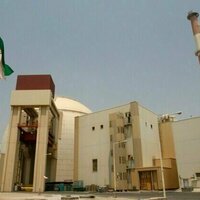
The 2015 deal was aimed at resolving the standoff over Iran's nuclear activities, which had escalated after secret nuclear facilities were uncovered at the start of the 2000s.
Western countries accuse Iran of seeking to acquirenuclear weaponssomething Tehran denies, defending its right to what it insists is a civilian nuclear program.
(FRANCE 24 with AFP)
Originally published on France24